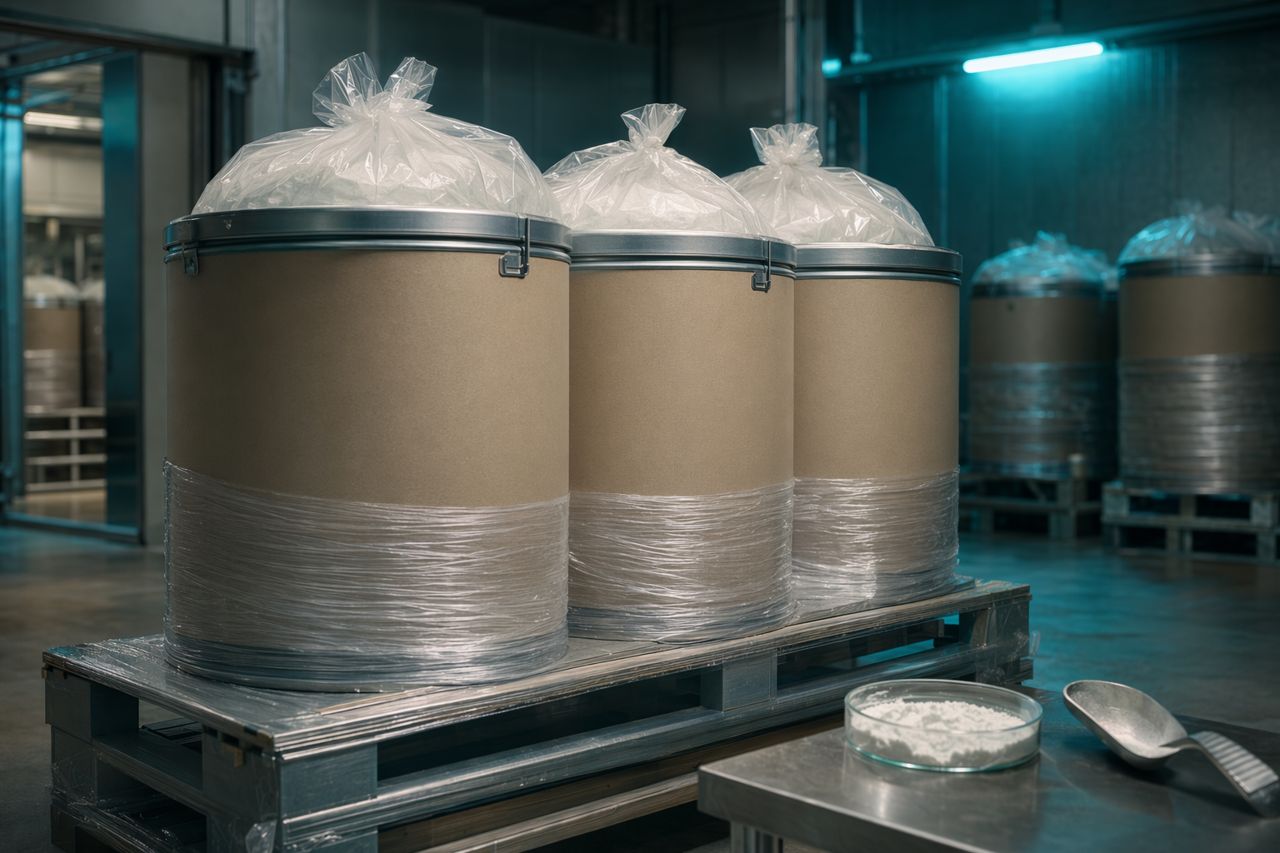
Lysozyme stability starts before the drum is opened
Lysozyme is a compact, comparatively resilient enzyme, but bulk performance is still shaped by routine handling choices: moisture exposure, solution hold time, compatibility with the formulation matrix, and how the lot is documented after receipt. For technical buyers, the goal is not only to keep the enzyme active, but to make every lot usable, traceable, and predictable at production scale.
Murovia supports buyers specifying Lysozyme for food preservation systems, pharmaceutical processing, diagnostic reagents, and animal-health formulations. The guidance below is written for practical qualification work before bulk ordering.
What Lysozyme does, and why storage matters
Lysozyme targets structural links in bacterial peptidoglycan, weakening susceptible cell walls. That mechanism is valuable because it can support microbial control, sample preparation, or functional protection depending on the application.
The same protein structure that enables this function can be affected by avoidable process stress. The most common commercial issues are not dramatic failures; they are gradual changes in dispersibility, solution clarity, recovery in the finished matrix, or batch-to-batch handling behavior.
Storage priorities for dry Lysozyme
For dry Lysozyme powder or granulate, moisture control is the first priority.
Recommended storage discipline
- Keep material in the original sealed packaging until use.
- Store in a clean, dry, temperature-controlled area away from steam lines, washdown zones, and direct sunlight.
- Reseal opened packs promptly with the closure system specified for the pack type.
- Avoid repeated warm-cold cycling that can drive condensation inside the container.
- Do not return unused, exposed material to the primary container unless your internal quality procedure allows it.
- Use dedicated, clean scoops or transfer tools to prevent cross-contact with salts, sugars, flavors, acids, proteases, or other enzymes.
- Maintain lot identity through every split, repack, pre-weigh, or transfer step.
Packaging details to confirm before purchasing
For bulk procurement, ask for packaging information early, not after the purchase order is placed. Useful details include:
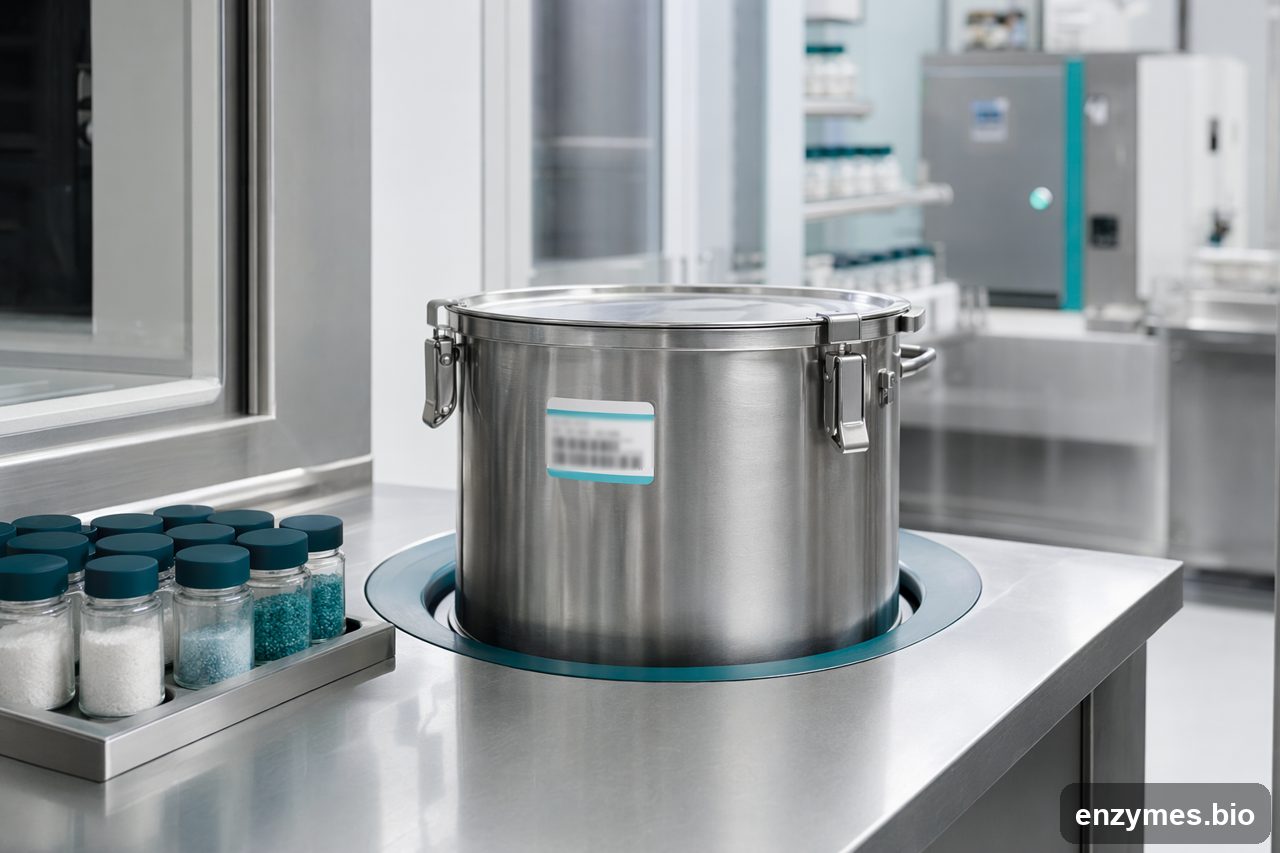
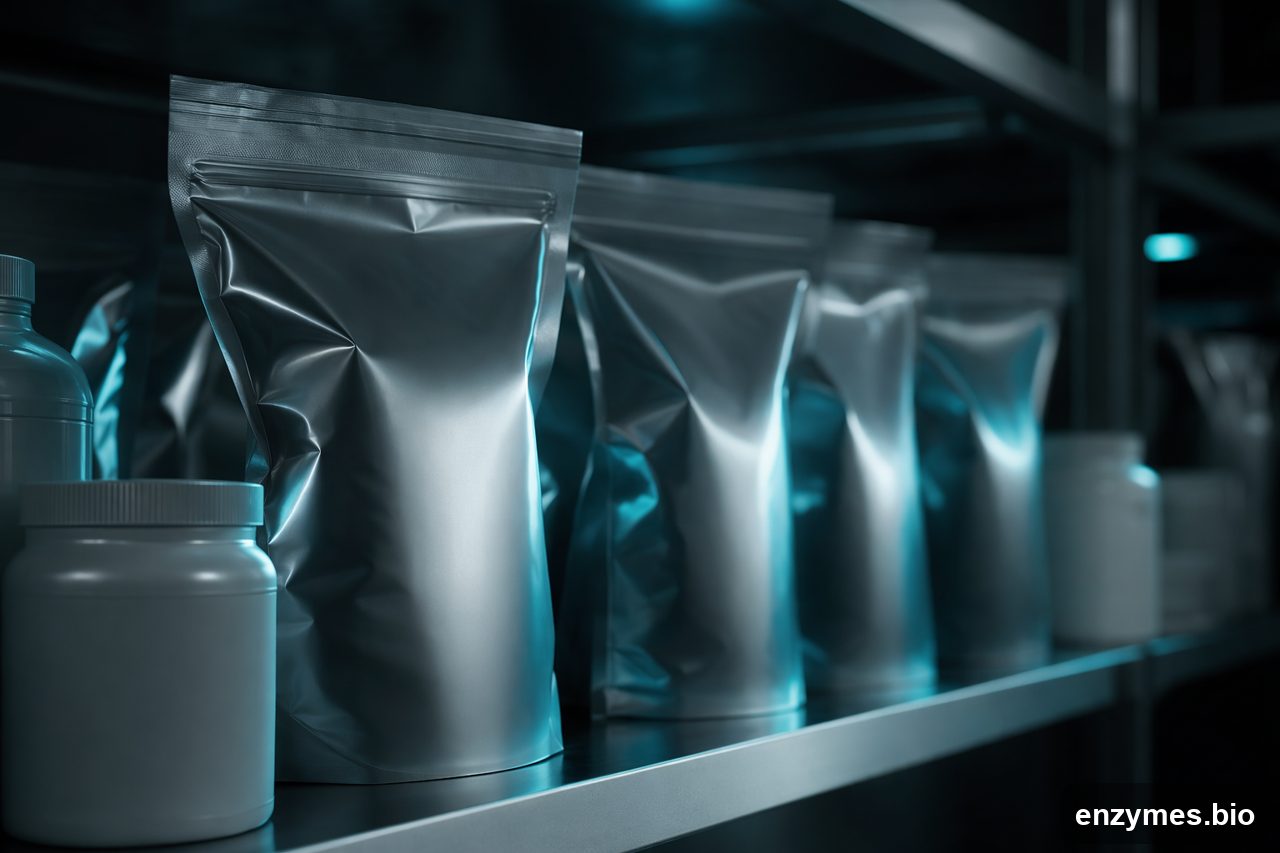
- Primary packaging material and moisture barrier format.
- Standard pack sizes and whether smaller inner packs are available.
- Suitability for your warehouse temperature range.
- Resealing expectations after partial use.
- Labeling format, lot coding, and pallet configuration.
- Source declaration and allergen statement, particularly for egg-derived grades.
Handling Lysozyme solutions
Lysozyme is often prepared as a stock solution, processing aid solution, reagent component, or premix. Once hydrated, the handling risk changes: the solution becomes more sensitive to microbial contamination, matrix incompatibility, and uncontrolled hold time.
Good practice for solution preparation
- Use water or buffer quality appropriate to the final application.
- Prepare solutions in clean, closed vessels where practical.
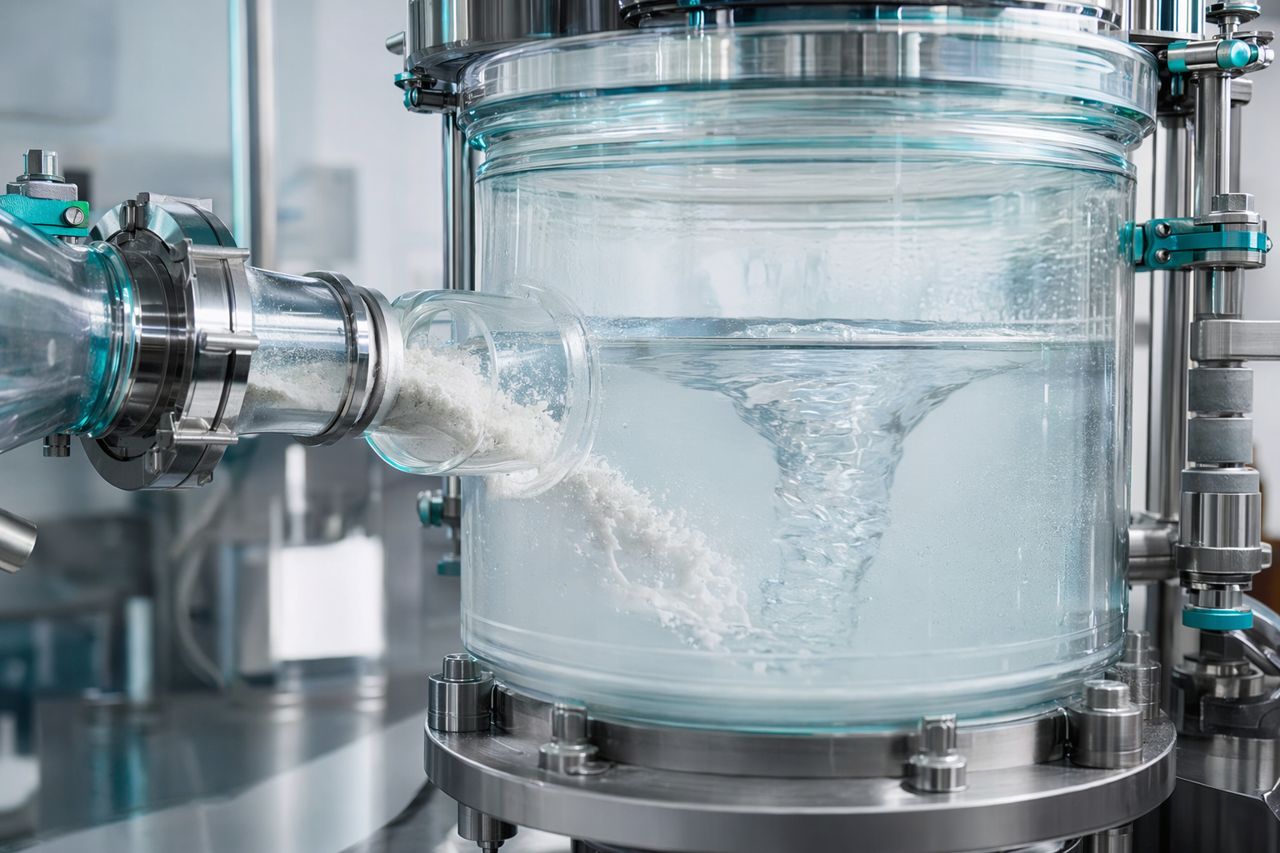
- Add powder gradually with controlled agitation to avoid clumping and excessive foam.
- Confirm that the target matrix supports solubility before scale-up.
- Label each prepared solution with lot, preparation date, concentration, operator, and intended use.
- Define maximum hold time through your internal stability and bioburden program.
- If filtration, aseptic handling, or preservative use is required, validate it for the specific grade and application.
Freeze-thaw considerations
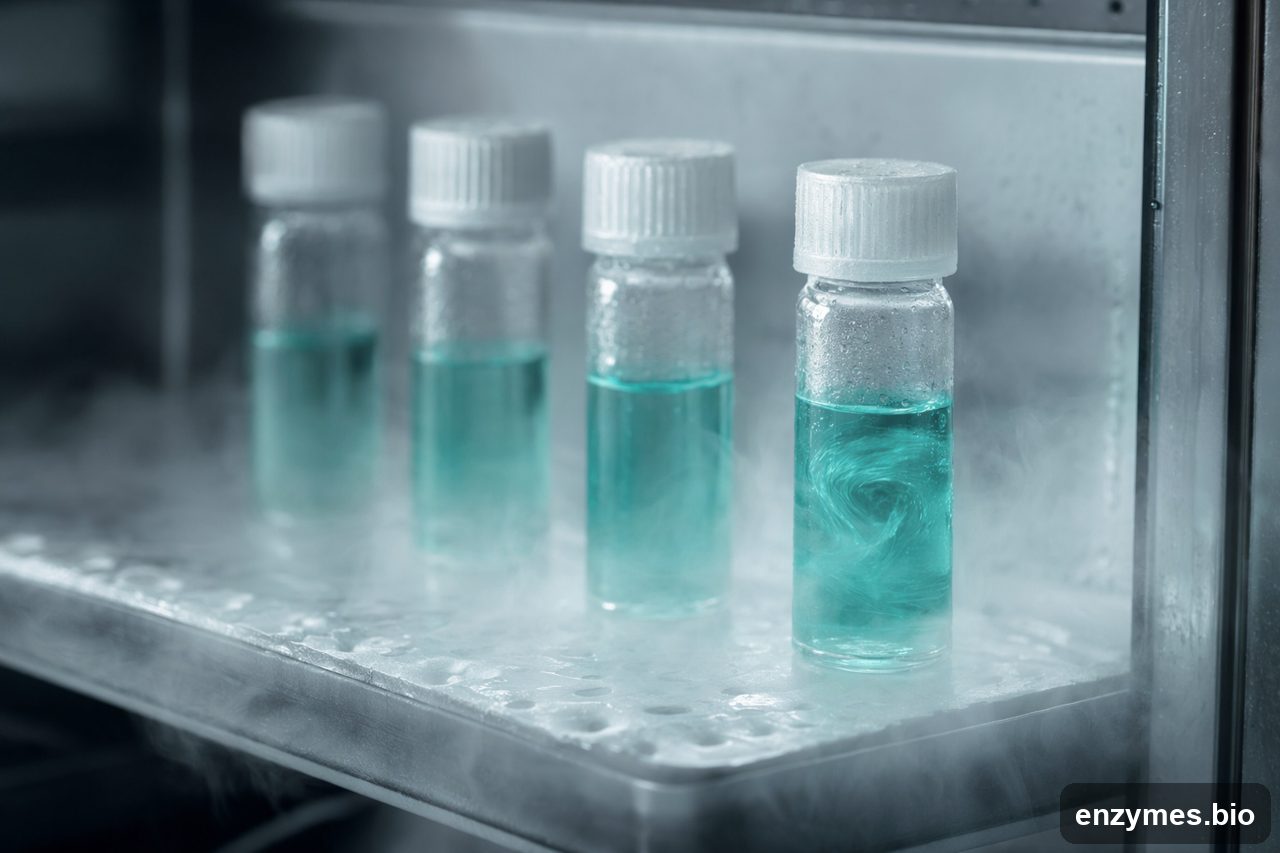
If frozen storage of a Lysozyme solution is part of your process, aliquot before freezing so each portion is thawed once. Repeated freeze-thaw cycles can change solution appearance or functional recovery. Thaw under controlled conditions and mix gently until uniform; avoid aggressive aeration unless it has been validated in your formulation.
Compatibility factors to check during formulation
Lysozyme behavior depends on the surrounding chemistry. During qualification, screen the actual matrix rather than relying only on water-based observations.
| Factor | Why it matters | What to check |
|---|---|---|
| pH environment | Can influence solubility and protein structure | Appearance, recovery, and performance in the final pH range |
| Ionic strength and salts | Can change dispersion and interaction with other ingredients | Clarity, precipitation, and process consistency |
| Preservatives | May stabilize the solution or interfere with protein behavior | Compatibility at intended use levels |
| Proteases | Can degrade protein ingredients | Avoid co-holding unless validated |
| Polyphenols and tannins | Can bind proteins and reduce availability | Especially relevant in beverages and botanical matrices |
| Surfactants | May affect foaming, adsorption, or recovery | Mix order and hold-time behavior |
| Heat steps | Can reduce functional performance depending on exposure | Add-point, residence time, and post-process recovery |
Application-specific handling notes
Food and beverage systems
For food use, storage and handling are closely tied to regulatory position, source declaration, allergen management, and label strategy. Confirm whether the grade, source, and documentation align with the intended geography and product category before plant trials. In liquid foods or beverage systems, pay close attention to pH, polyphenol content, heat exposure, and when Lysozyme is added.
Pharmaceutical and bioprocessing use
Pharmaceutical applications require tighter control of documentation, change notification, contaminant profile, and traceability. Confirm grade expectations early: a material suitable for general industrial use may not match the documentation package required for a regulated workflow. Solution handling should be governed by validated water quality, vessel cleanliness, hold-time limits, and site-specific quality procedures.
Diagnostics and reagent manufacturing
Diagnostic formulations often depend on reproducibility across small lots and long storage periods. The key questions are solubility, compatibility with buffers and stabilizers, recovery after storage, and consistency after dispensing or drying steps. If Lysozyme is part of a lysis or sample-preparation reagent, validate performance in the actual specimen matrix, not only in a simplified buffer.
Animal health and feed-adjacent uses
For animal-health formulations, handling conditions must match the final format: powder blend, premix, liquid additive, capsule, tablet, or coated system. Watch for incompatibility with minerals, acidic carriers, pelleting heat, protease-containing blends, and moisture uptake during storage.
Receipt and warehouse checklist
Use this checklist when receiving a new Lysozyme lot:
- Verify product name, grade, source, lot number, net weight, and expiry or retest date.
- Check that the packaging is intact, dry, and correctly labeled.
- Match the shipment documents to the purchase specification.
- Confirm certificate availability for the intended application.
- Quarantine until internal release is complete.
- Store under the agreed conditions immediately after receipt.
- Record any deviation in transit temperature, damage, or delayed delivery.
- Retain representative samples if required by your quality system.
Common handling problems and likely causes
| Observation | Possible cause | Practical response |
|---|---|---|
| Powder clumps after opening | Moisture exposure or poor resealing | Review opening time, humidity control, and closure practice |
| Solution is hazy | Matrix incompatibility, pH shift, or incomplete hydration | Adjust mix order, check pH, and test in the real formulation |
| Performance declines during storage | Excessive hold time, microbial burden, repeated freeze-thaw, or incompatible excipients | Shorten hold time, aliquot, improve hygiene, and run compatibility screening |
| Lot behaves differently at scale | Change in hydration method, vessel geometry, shear, or raw-material interaction | Compare pilot and production mixing conditions |
| Documentation is insufficient for release | Grade mismatch or missing regulatory package | Define required certificates before ordering |
What to specify when requesting bulk Lysozyme
A clear inquiry helps technical and commercial teams avoid delays. Include:
- Intended application and market region.
- Required grade or regulatory framework.
- Source preference or source restrictions.
- Powder or solution format preference.
- Expected annual volume and order cadence.
- Pack-size preference and warehouse conditions.
- Key compatibility concerns in your formulation.
- Required documents, including allergen, source, contaminant, and quality declarations.
- Trial timeline and scale-up target.
Request a quote or get pricing
If you are comparing Lysozyme grades, planning a plant trial, or tightening storage specifications for an existing formulation, send Murovia the basic application details. We will route the inquiry to the appropriate technical and commercial contact.