Lysozyme applications by industry
Lysozyme is used where a formulation needs targeted control of susceptible bacteria, especially Gram-positive organisms with exposed peptidoglycan cell walls. Its commercial value is not only antimicrobial performance. Buyers also choose lysozyme because it can be integrated into sensitive products with relatively low sensory impact, clear functional intent, and well-established use in multiple regulated sectors.
For formulation scientists, the key question is not whether lysozyme works in general. It is whether the enzyme matches the matrix, process conditions, label requirements, and documentation standard of the finished product.

This guide summarizes the main industrial and applied uses of Lysozyme and the selection factors that matter before requesting a product format.
How Lysozyme works in applied systems
Lysozyme acts on peptidoglycan, a structural polymer in bacterial cell walls. In practical terms, it weakens the protective wall of susceptible bacteria, making cells less able to maintain integrity under process or storage stress.
That mechanism makes Lysozyme especially relevant in:
- Food systems where Gram-positive spoilage organisms are a concern
- Beverage applications where microbial balance affects stability and sensory profile
- Diagnostic workflows where cell wall disruption improves sample access
- Bioprocessing steps that require controlled microbial cell lysis
- Personal-care, pharmaceutical, and animal-health formulations where ingredient quality and documentation are critical
Lysozyme is not a universal preservative and should not be treated as a drop-in replacement for process hygiene, thermal control, pH design, or validated preservation systems. It is most effective when positioned as one component in a controlled formulation strategy.
Food and beverage applications
Food and beverage applications remain among the most established industrial uses of Lysozyme. The enzyme is selected when formulators want antimicrobial support without pushing the product toward aggressive chemical preservation or unwanted sensory change.
Cheese and dairy systems
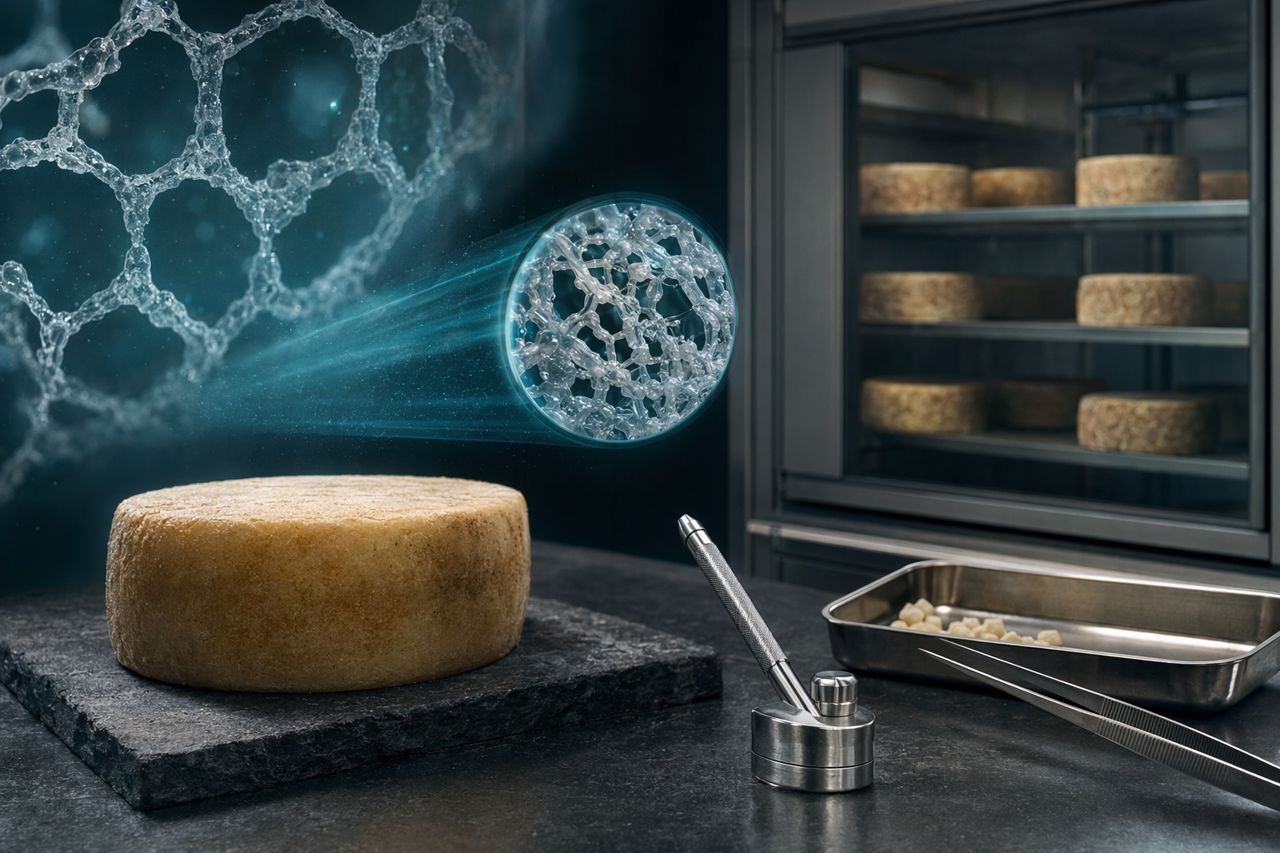
In cheese production, Lysozyme is commonly evaluated for control of certain Gram-positive bacteria associated with late-stage spoilage and gas defects. It is particularly relevant where the product requires extended ripening, stable texture, and predictable maturation.
Commercial reasons to evaluate Lysozyme in cheese include:
- Reducing risk of late blowing and unwanted gas formation
- Supporting consistency between production lots
- Protecting ripened cheese during longer storage periods
- Helping preserve the intended flavor profile when used appropriately
Selection factors include milk type, starter culture behavior, ripening conditions, salt level, moisture, and the required declaration on finished-product labeling. Egg-derived Lysozyme may also trigger allergen-label considerations in many markets, so source and documentation should be reviewed early.

Wine and fermentation control
In wine, Lysozyme is used to manage susceptible lactic acid bacteria and support microbial stability during production decisions. It can be useful where winemakers need to influence malolactic activity, protect a style target, or stabilize wine before bottling.
Operational considerations include:
- Wine color and phenolic profile
- Timing of addition relative to fermentation stage
- Compatibility with clarification and filtration plans
- Impact on downstream stability programs
- Regional winemaking rules and permitted-use limits
For procurement teams, documentation should confirm suitability for beverage use, origin, allergen status, and compliance with the target export markets.
Beer, sauces, and chilled prepared foods
Lysozyme may also be considered in selected beer, sauce, dressing, and chilled-food systems where Gram-positive spoilage pressure is part of the risk profile. The application fit depends heavily on pH, salt, alcohol, heat exposure, emulsifiers, and the broader preservation system.
In these categories, Lysozyme is rarely specified in isolation. It is usually assessed alongside hurdle technology: acidification, refrigeration, heat treatment, packaging atmosphere, sanitation, and shelf-life validation.
Pharmaceutical and personal-care applications
Lysozyme appears in selected pharmaceutical, oral-care, ophthalmic, topical, and personal-care concepts where a naturally occurring antimicrobial enzyme is useful to the product design. In these sectors, the enzyme’s commercial fit depends as much on documentation as on formulation performance.
Typical buyer requirements include:
- Defined source and manufacturing route
- Consistent purity profile
- Low bioburden expectations appropriate to the intended use
- Allergen and animal-origin documentation where relevant
- Residual solvent and contaminant statements when required
- Regulatory support files for the target market
Formulators should evaluate Lysozyme under the exact finished-product conditions. Surfactants, preservatives, chelators, salts, fragrance systems, and thermal processing can all influence performance and stability. Where the formulation is intended for a regulated health application, claims and compliance must be confirmed through the buyer’s regulatory pathway.

Diagnostics, sample preparation, and bioprocessing
Lysozyme is widely used in technical workflows that require access to intracellular material from susceptible microbial cells. It can support nucleic-acid extraction, protein recovery, microbial testing, and analytical sample preparation.
In diagnostics and bioprocessing, Lysozyme is valued for controlled disruption rather than finished-product preservation. Buyers typically prioritize lot consistency, clean documentation, low interfering impurities, and predictable behavior in the workflow.
Common use cases include:
- Weakening Gram-positive cell walls before mechanical or chemical lysis
- Improving extraction of DNA, RNA, or proteins from susceptible organisms
- Supporting microbial identification and testing workflows
- Preparing cell suspensions for downstream analytical steps
- Assisting controlled lysis in development-scale bioprocessing
Important compatibility factors include buffer composition, temperature exposure, ionic strength, downstream enzymes, detergents, and whether the workflow is research, industrial QC, or regulated diagnostic manufacturing.
Animal health and hygiene-focused formulations
Animal-health teams evaluate Lysozyme in feed, oral-care, gut-health, aquaculture, and hygiene-oriented formulations. Its role is typically framed around microbial management and formulation support rather than broad therapeutic claims.
Application development should consider:
- Species and life stage
- Feed processing temperature and residence time
- Pelleting, coating, or post-process application route
- Compatibility with acids, minerals, probiotics, and other functional ingredients
- Target-market rules for feed additives or animal-health products
- Documentation expectations for origin, allergen status, and contaminants
Where high heat exposure is unavoidable, buyers often compare powder, coated, granulated, or liquid addition strategies to protect function through processing and storage.
Active packaging, coatings, and surface systems
Lysozyme can be incorporated into certain films, coatings, or surface-treatment systems intended to reduce microbial risk at the interface between product and package. These applications require careful validation because enzyme availability, migration behavior, water activity, and contact time determine whether the concept is commercially viable.
Packaging teams should evaluate:
- Film chemistry and enzyme immobilization strategy
- Moisture availability at the contact surface
- Compatibility with adhesives, plasticizers, and coating solvents
- Food-contact or product-contact compliance
- Stability during converting, storage, and distribution
- Finished-pack performance under real supply-chain conditions
This is a specialist application area where early technical screening prevents costly scale-up failures.
Choosing a Lysozyme format
The right Lysozyme format depends on how the enzyme will enter the process and what documentation the buyer needs. Common commercial considerations include:
- Powder formats for dry blending, premix preparation, and compact storage
- Liquid formats for metered dosing and fast dispersion in aqueous systems
- Granulated or protected formats where dust control, handling, or processing stress matters
- High-purity grades for sensitive pharmaceutical, diagnostic, or personal-care workflows
- Food-grade documentation packs for edible applications and export review
Before selecting a format, define the matrix, point of addition, processing stresses, storage conditions, target shelf life, labeling requirements, and target sales geographies.
Questions to answer before procurement
A clear brief helps avoid overspecification and reduces back-and-forth during sourcing. Before requesting pricing, prepare the following:
- What is the application category: food, beverage, diagnostics, pharma, personal care, animal health, or packaging?
- What organisms or spoilage pattern are you trying to control?
- What is the product matrix, including pH direction, salt level, fat level, alcohol, or surfactants?
- Where will Lysozyme be added in the process?
- Will the enzyme experience heat, shear, drying, fermentation, or long ambient storage?
- What source, allergen, and labeling restrictions apply?
- Which regulatory markets must be supported?
- What documents are required for supplier approval?
- Do you need a development sample, commercial supply, or both?
Documentation buyers commonly request
For B2B qualification, Lysozyme supply is usually reviewed by technical, quality, regulatory, and procurement teams. Typical documents may include:
- Product specification
- Safety data sheet
- Allergen statement
- Origin statement
- Food-grade or application suitability statement where applicable
- Non-GMO or GMO-position statement where applicable
- Heavy metals and contaminant information where required
- Certificate of analysis by lot
- Shelf-life and storage guidance
- Quality-system or manufacturing-site information
Documentation needs vary by market and use case. Murovia can help align the document pack to the intended application before the first purchase order.
Request a quote or get pricing
If you are comparing Lysozyme formats for a formulation, process, or purchasing brief, send the application details to Murovia. Include the target industry, matrix, country of sale, required documents, and whether you need a sample, pilot quantity, or commercial supply.