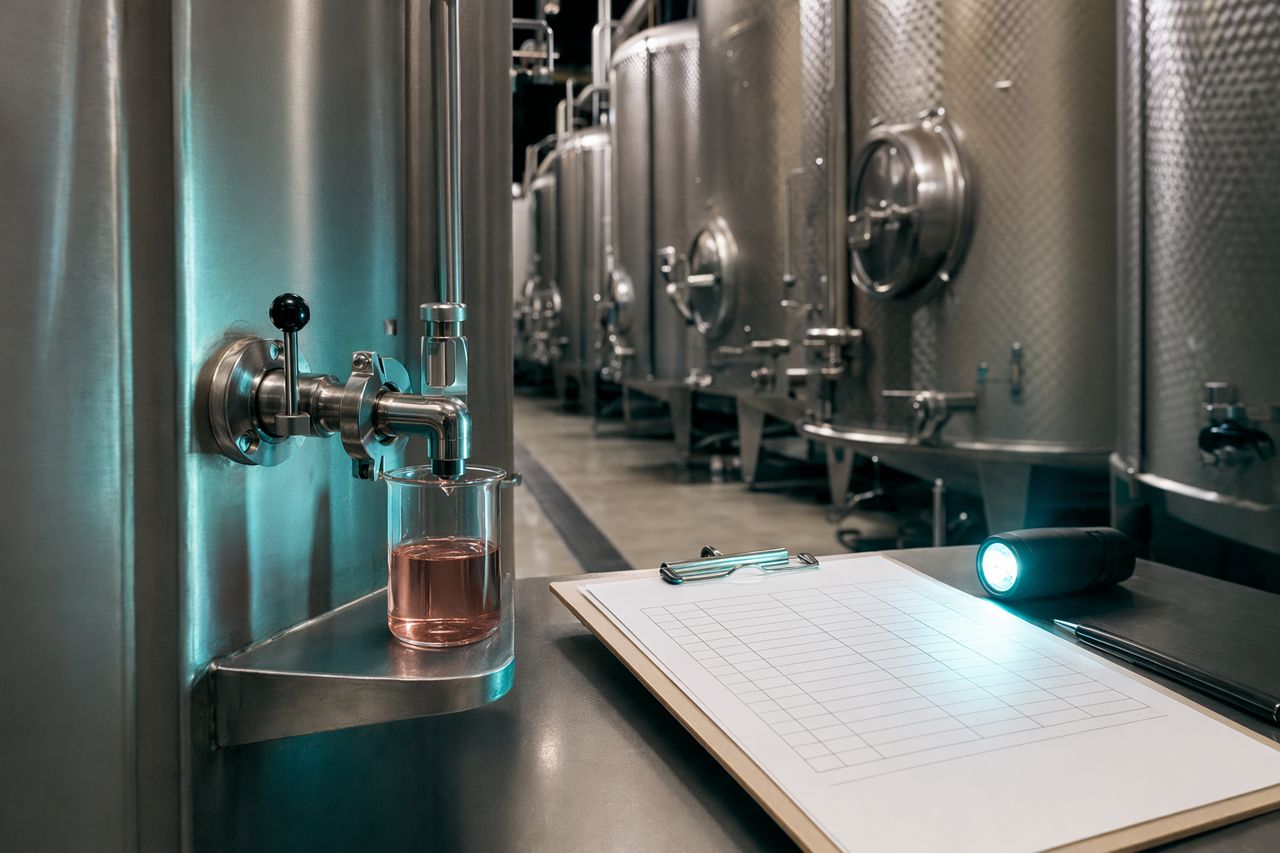
Lysozyme for Wine Stabilization
Lysozyme is used in winemaking to help control lactic acid bacteria as part of a broader stabilization plan. For producers managing malolactic fermentation, microbial risk, sulfur dioxide strategy, or extended cellar timelines, it offers a targeted tool with a clear operational role: reducing unwanted bacterial activity without acting as a yeast inhibitor.
Murovia supplies Lysozyme for beverage applications where buyers need consistent functionality, practical documentation, and a formulation-aware supply conversation.
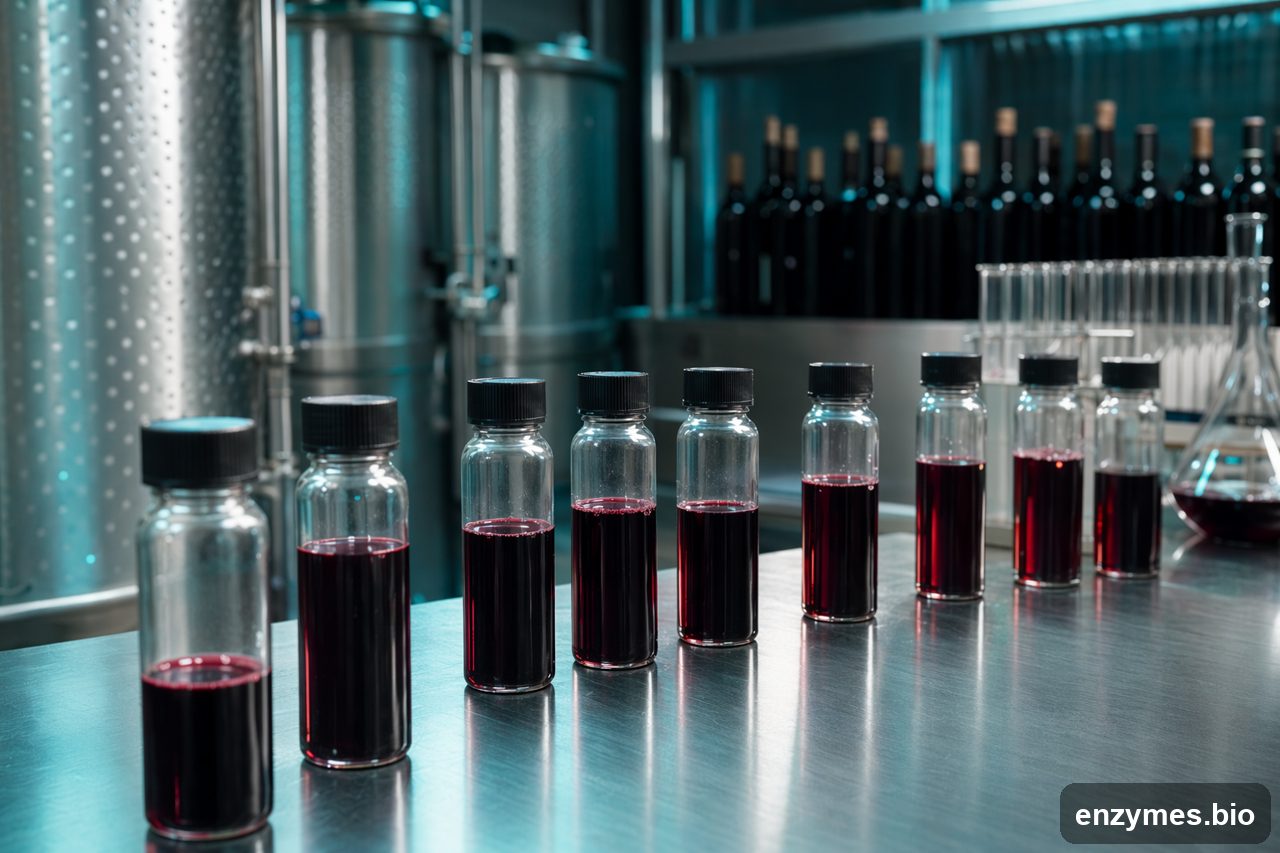
Where Lysozyme fits in the cellar
Lysozyme acts primarily against Gram-positive bacteria, including many lactic acid bacteria associated with malolactic fermentation and spoilage risk. In wine programs, it is commonly evaluated for:
- Delaying malolactic fermentation when primary fermentation needs protection before a planned MLF stage.
- Limiting unwanted MLF in white, rosé, sparkling base, and fruit-forward red wines where acidity and aroma profile must be preserved.
- Supporting microbial stabilization during storage, blending, or pre-bottling windows.
- Reducing pressure on sulfur dioxide alone as part of a combined control strategy, while not replacing sound SO₂ management, hygiene, filtration, or temperature control.
- Managing LAB risk after stuck or sluggish fermentations, where residual nutrients can increase microbial vulnerability.
Lysozyme is not designed to control yeast or acetic acid bacteria. It should be positioned with clear expectations and verified through bench trials under the specific wine conditions.

Application considerations for formulation and cellar teams
Performance depends on wine chemistry and process timing. Before scaling, teams should evaluate Lysozyme under representative conditions rather than relying on a generic addition point.
Key variables to review
- Wine pH and matrix composition: Wine acidity, polyphenols, tannins, proteins, and suspended solids can influence performance and recovery.
- Timing of addition: Lysozyme may be considered before, during, or after malolactic fermentation depending on whether the goal is delay, suppression, or stabilization.
- Clarification status: Turbidity and fining history can affect how the enzyme interacts with the wine matrix.
- Bentonite treatment: Bentonite can remove proteins, including Lysozyme, so sequencing should be planned carefully.
- Filtration and bottling plan: Lysozyme should be integrated into the complete microbial control program rather than treated as a stand-alone final barrier.
- Sensory impact: Trials should confirm that the intended microbial outcome is achieved without compromising aroma, mouthfeel, or clarity targets.
Commercial advantages for wine producers
For wineries and beverage manufacturers, Lysozyme is valuable because it gives production teams a more selective lever for bacterial management.

- Helps protect acid structure in wines where MLF is not desired.
- Supports more predictable cellar scheduling when bacterial activity would otherwise interfere with timing.
- Can reduce the risk of unwanted diacetyl, volatile acidity contribution from secondary microbial pathways, and sensory drift associated with LAB activity.
- Fits into existing stabilization workflows with proper trialing and sequence control.
- Provides an option for producers balancing microbial security, sensory intent, and regulatory requirements.
Quality, documentation, and compliance topics
Wine-use Lysozyme is typically associated with egg-derived sourcing, so allergen and labeling requirements must be reviewed for the target market. Murovia supports B2B purchasing and technical evaluation with documentation appropriate for qualification, procurement, and internal compliance review.
Typical documentation discussions may include:
- Product specification and composition profile.
- Allergen declaration support.
- Food-grade suitability documentation.
- Country-of-origin and supply-chain information.
- Lot traceability expectations.
- Packaging format and storage guidance.
- Regulatory alignment for intended market and application.
Recommended validation approach
Before plant-scale use, run a structured cellar trial:
- Define the objective: delay MLF, prevent MLF, reduce LAB load, or stabilize a risk window.
- Select representative wine lots and include untreated controls.
- Confirm compatibility with planned SO₂, fining, filtration, and bottling steps.
- Monitor microbial indicators, malic acid trend, clarity, and sensory profile.
- Document the operational timing that delivers the desired result.
This approach gives enology, QA, and procurement teams a shared basis for specification and purchasing decisions.
Request pricing or technical input
If you are evaluating Lysozyme for wine stabilization, Murovia can help align product format, documentation, packaging, and supply planning with your production requirements.